
India, Trade Talks with U.S. Collapse Over Lack of Concessions… '50% Tariff Bomb' Expected
공유하기
- U.S.-India trade negotiations have collapsed, and the tariff rate on Indian goods exported to the U.S. is expected to rise to as much as 50%.
- The main cause for the breakdown is reported to be that India's easing of trade barriers on U.S. goods was not sufficient.
- President Trump has already signed an executive order imposing an additional 25% tariff on Indian goods, and a 50% tariff will go into effect from the 27th.
- The article was summarized using an artificial intelligence-based language model.
- Due to the nature of the technology, key content in the text may be excluded or different from the facts.
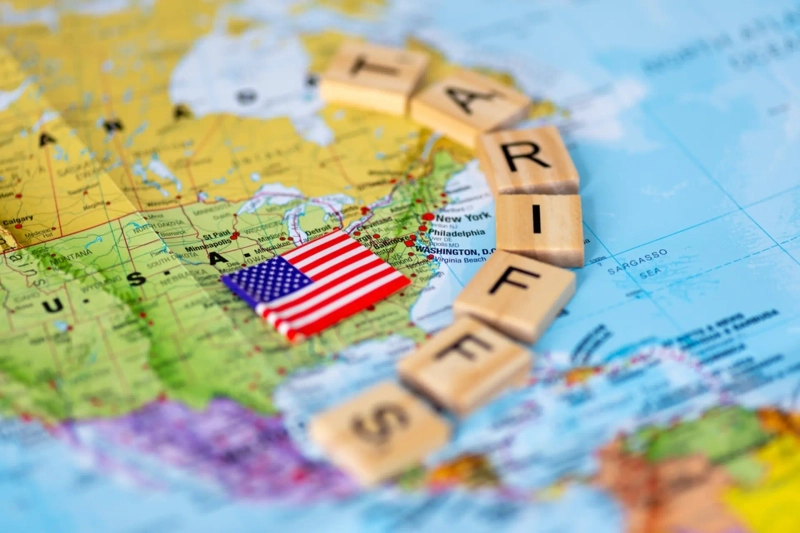
U.S.-India trade negotiations, which had once seemed to be making smooth progress, have collapsed—raising the prospect that the U.S. tariff rate on Indian goods will soar to 50%, the highest in the world.
On the 9th (local time), Politico diagnosed the reason for the failed negotiations between the two countries as India's lack of concessions, especially compared to other nations that lowered tariffs on U.S. goods to zero.
Until last month, India believed only the final approval from U.S. President Donald Trump was left. President Trump was also reportedly optimistic, remarking in mid-month, "We are very close to India," suggesting an imminent agreement. However, the negotiations between the two sides suddenly stalled.
According to members of the Trump administration, India offered to lower some trade barriers for U.S. goods, but did not propose eliminating them entirely.
One administration official stated, "President Trump was able to bring tariffs (imposed by other countries on the U.S.) down to zero or close to zero in many cases," adding, "So when he reviewed India's proposal, the negotiation team realized it was completely insufficient."
There is also analysis that Indian Prime Minister Narendra Modi's lack of direct communication, such as meetings or phone calls with President Trump, contributed to the stalemate.
Politico noted that the absence of direct talks occurred because Prime Minister Modi wanted to avoid being publicly criticized by President Trump.
Mukesh Aghi, president of the U.S.-India Strategic Partnership Forum, said, "Prime Minister Modi, who prides himself on being a strong leader, probably did not want to be scolded by another nation's leader or be in a position where he would be forced to respond," adding, "That's why he avoided a direct call."
Aghi continued, "It feels like 25 years of relationship-building efforts have vanished in 25 hours," emphasizing, "We must, in whatever way possible, prevent this situation. The U.S.-India relationship is extremely important to both countries."
However, he noted that President Trump never directly criticized Prime Minister Modi and always called him his friend, adding, "In my view, this was intended to keep communication channels open."
Previously, on the 6th, President Trump signed an executive order imposing an additional 25% tariff on Indian goods in response to India's imports of Russian oil, effective in 21 days. The U.S. has been applying a 25% nation-specific (reciprocal) tariff on India since the 7th, so from the 27th, the combined tariff rate will soar to 50%.
Yong-Hyun Shin, Hankyung.com reporter yonghyun@hankyung.com

![[New York Stock Market Briefing] Closed lower on AI concerns… Broadcom plunged in the 5% range](https://media.bloomingbit.io/PROD/news/b07399a5-fad3-4406-971e-042ab70ad61d.webp?w=250)